
Introduction
Rabbit Road, a name that evokes curiosity and intrigue, is a unique and captivating phenomenon that has garnered attention from both locals and researchers alike. This study report delves into the history, ecological significance, cultural relevance, and the ongoing conservation efforts associated with rabbit road play Road, providing a comprehensive overview of this remarkable location.
Historical Background
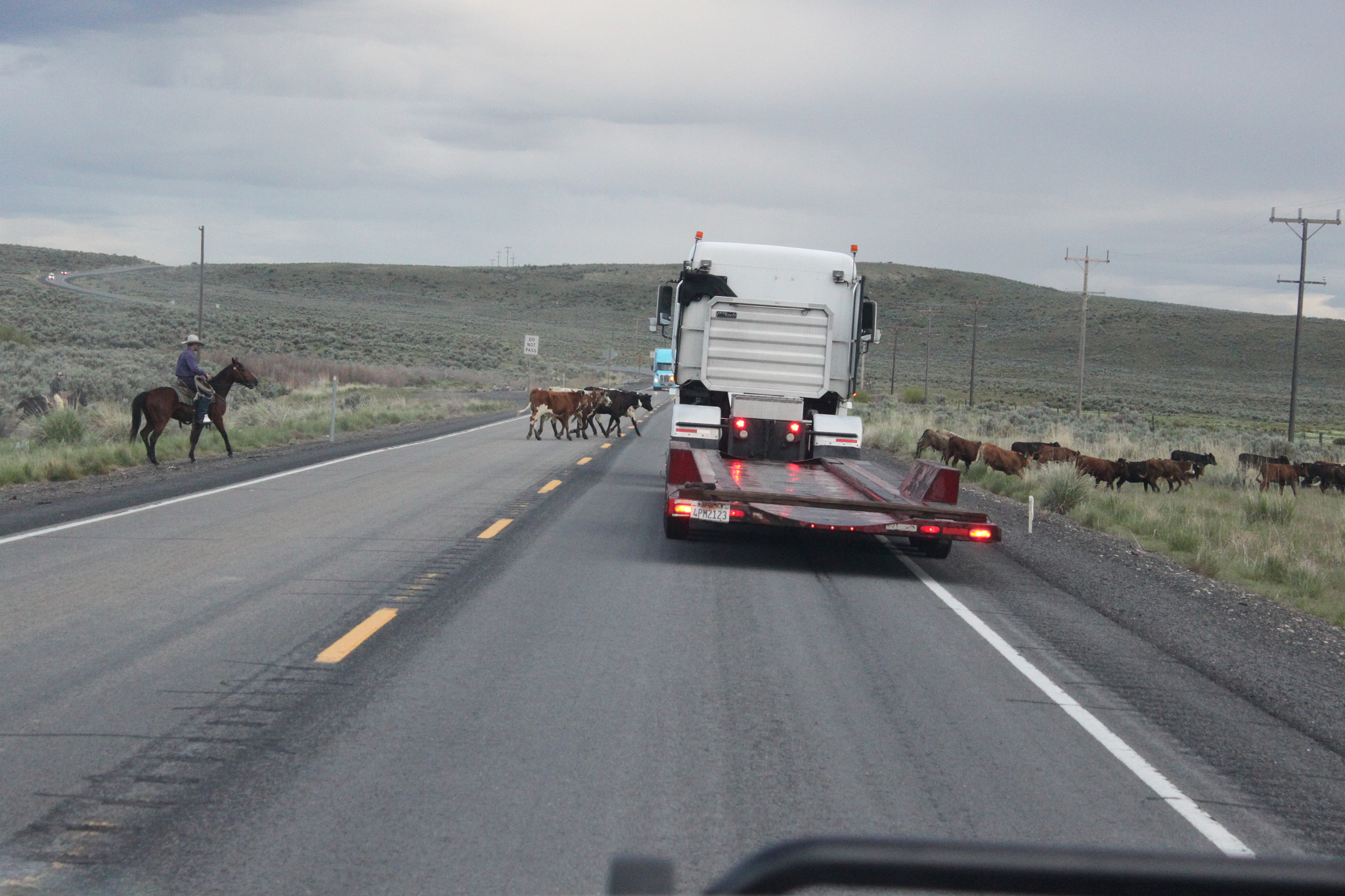
Rabbit Road is situated in a picturesque area that has a rich history dating back centuries. Originally a simple dirt path used by local farmers and traders, it has evolved over time into a well-known route frequented by both residents and tourists. The name „Rabbit Road“ is believed to have originated from the abundance of rabbits that once inhabited the area, drawing the attention of early settlers and naturalists.
In the late 19th century, Rabbit Road became a popular destination for picnics and recreational activities, as its scenic views and diverse wildlife attracted visitors from nearby towns. The construction of a small bridge over a nearby creek in the early 20th century further enhanced its accessibility, solidifying its status as a local landmark. Over the years, Rabbit Road has witnessed significant changes, yet it has retained its charm and allure.
Ecological Significance
Rabbit Road is not just a historical pathway; it is also an ecological treasure. The area surrounding Rabbit Road is home to a diverse range of flora and fauna, making it an important habitat for various species. The rich biodiversity includes native plants, trees, and wildlife, contributing to the overall health of the local ecosystem.
One of the most notable features of Rabbit Road is its role as a migratory corridor for several species of birds. Ornithologists have documented numerous bird species that pass through the area during their seasonal migrations, making it a prime location for birdwatching enthusiasts. Additionally, the presence of small mammals, including the rabbits that gave the road its name, adds to the ecological richness of the region.
The vegetation along Rabbit Road plays a crucial role in preventing soil erosion and maintaining water quality in nearby streams. The roots of trees and plants stabilize the soil, while their leaves provide shade and habitat for various organisms. This ecological balance is essential for sustaining the health of the environment and preserving the natural beauty of Rabbit Road.
Cultural Relevance
Rabbit Road holds cultural significance for the local community, serving as a gathering place for various events and festivities. Throughout the year, residents participate in organized activities such as nature walks, clean-up drives, and educational workshops focused on conservation and environmental awareness. These events foster a sense of community and encourage individuals to connect with nature.
Moreover, Rabbit Road has inspired local artists and writers, who have drawn upon its beauty and tranquility in their works. The road’s scenic landscapes and diverse wildlife have become subjects of paintings, photographs, and literary pieces, contributing to the cultural heritage of the area. This creative expression highlights the profound impact that Rabbit Road has on the local identity and sense of place.
Conservation Efforts
Recognizing the ecological and cultural importance of Rabbit Road, various conservation efforts have been initiated to protect and preserve this unique environment. Local environmental organizations, in collaboration with government agencies, have implemented strategies aimed at maintaining the biodiversity and natural beauty of the area.
One of the primary conservation initiatives involves habitat restoration, which focuses on reintroducing native plant species and removing invasive species that threaten the local ecosystem. Educational programs have also been established to raise awareness about the significance of preserving Rabbit Road and its surroundings. These programs target schools and community groups, emphasizing the importance of environmental stewardship and sustainable practices.
Additionally, efforts have been made to improve access to Rabbit Road while minimizing human impact on the environment. Trails have been constructed to guide visitors and reduce trampling on sensitive habitats. Signage has been installed to educate visitors about the local wildlife and plant species, fostering a sense of appreciation and respect for the natural world.
Challenges and Future Prospects
Despite the ongoing conservation efforts, Rabbit Road faces several challenges that threaten its ecological integrity. Urban development, pollution, and climate change pose significant risks to the delicate balance of the ecosystem. As the surrounding area continues to grow, there is a pressing need to address these challenges through sustainable planning and community engagement.
Future prospects for Rabbit Road depend on the continued collaboration between local residents, conservation organizations, and government agencies. By fostering a shared commitment to preserving this unique environment, the community can ensure that Rabbit Road remains a vibrant and thriving habitat for generations to come.
Conclusion
In conclusion, Rabbit Road is more than just a pathway; it is a vital ecological and cultural asset that embodies the beauty and diversity of the natural world. Its rich history, ecological significance, and cultural relevance make it a unique location worthy of study and preservation. As we move forward, it is essential to prioritize conservation efforts and community engagement to protect Rabbit Road and its surrounding environment. By doing so, we can ensure that this enchanting road continues to inspire and connect individuals with nature for years to come.